Three modes. Scoped to the expert perspective your brief needs.
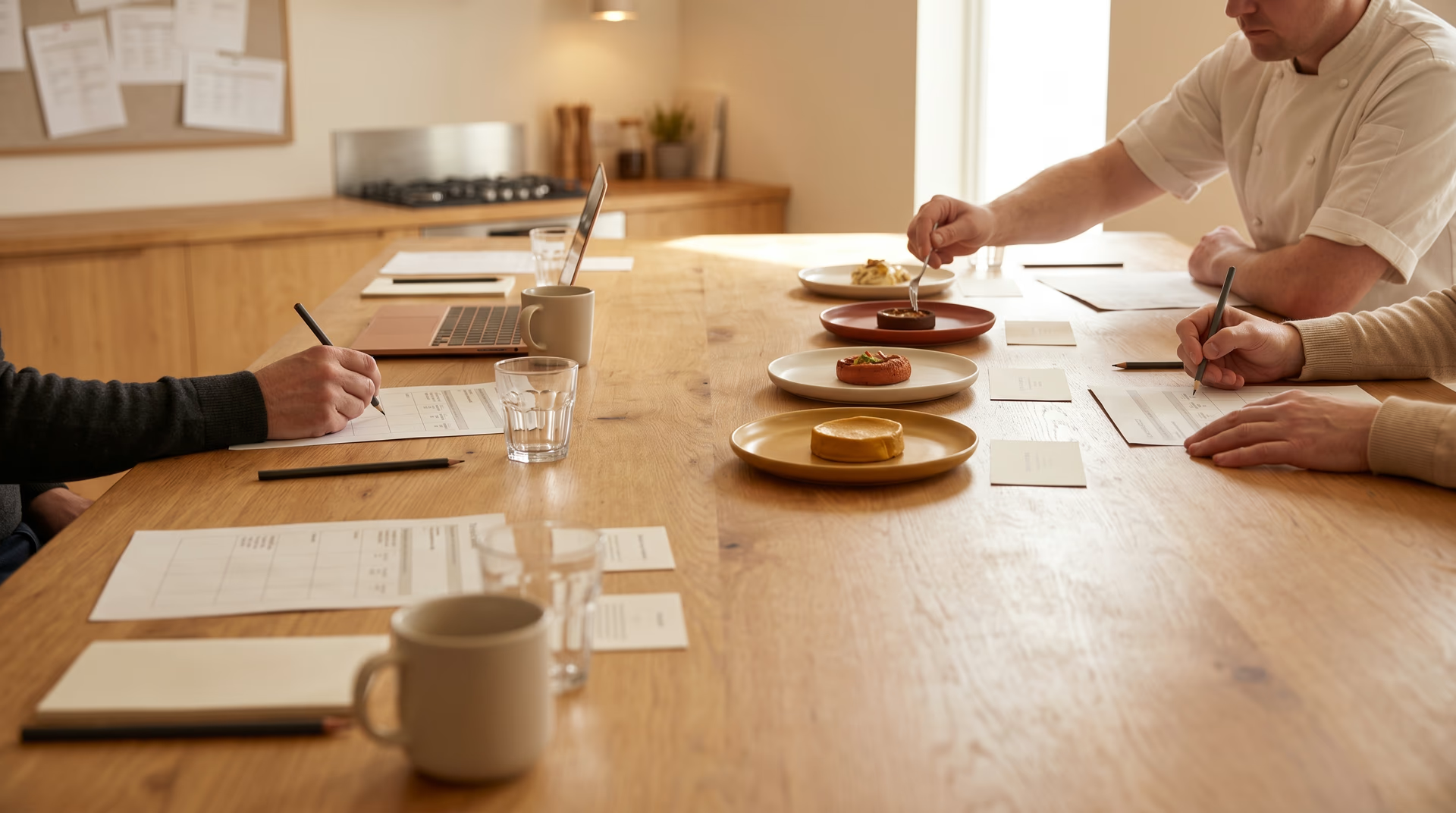
Expert Panels are configured around the external expertise required to inform the decision. The three modes below represent the most common setups: buyer, chef and industry expert panels. These can be used individually or in combination depending on the brief. Configuration is defined at scoping rather than defaulted.
Buyer panels
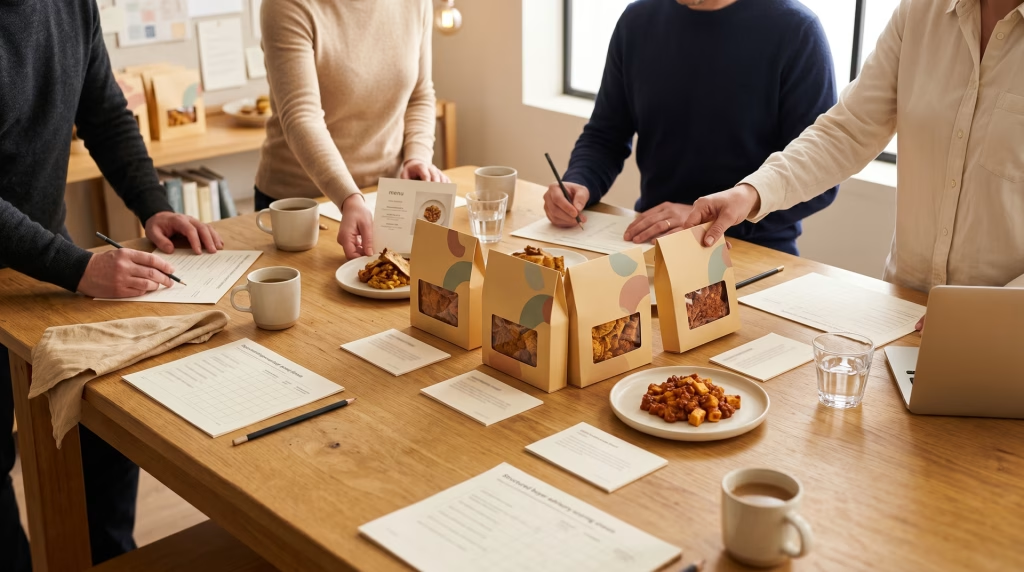
Retail buyers, foodservice operators and category managers are brought into a structured advisory format where trade reality, retailer perspective and commercial viability are critical. This mode surfaces what will and will not list, where commercial appetite sits, and where internal assumptions diverge from market reality.
Chef panels
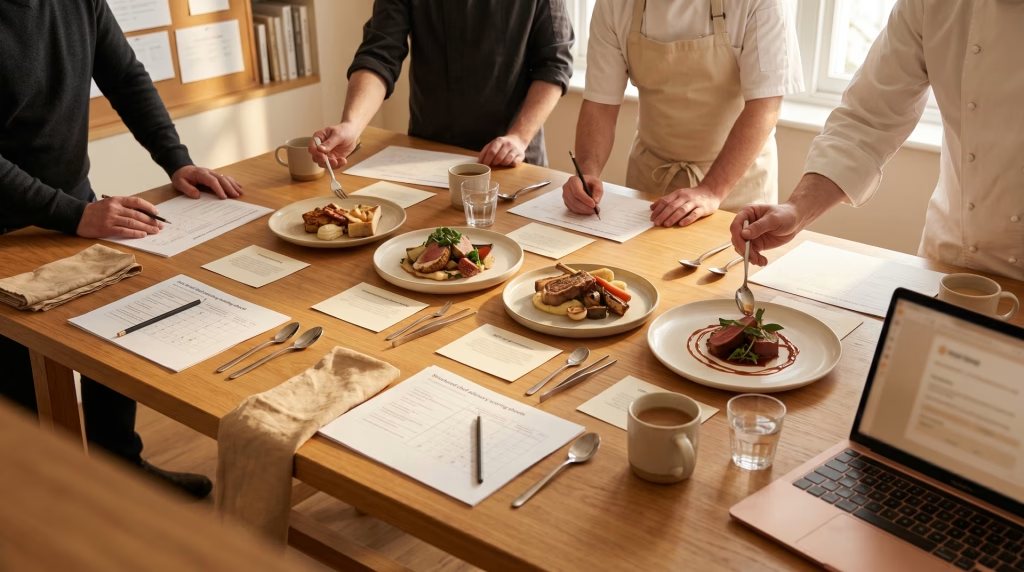
Professional chefs are brought into a structured advisory format where culinary credibility, food expertise and kitchen-led trend insight are required. This mode tests culinary direction, assesses trend relevance and validates proposition credibility in real-world kitchen contexts. Typical panels include four to eight chefs across relevant tiers.
Industry expert panels
Food scientists, category specialists, regulatory experts and innovation consultants are brought into a structured advisory format where technical depth, category insight or strategic sector input is required. This mode surfaces technical constraints, category dynamics and strategic implications to support robust decision-making.
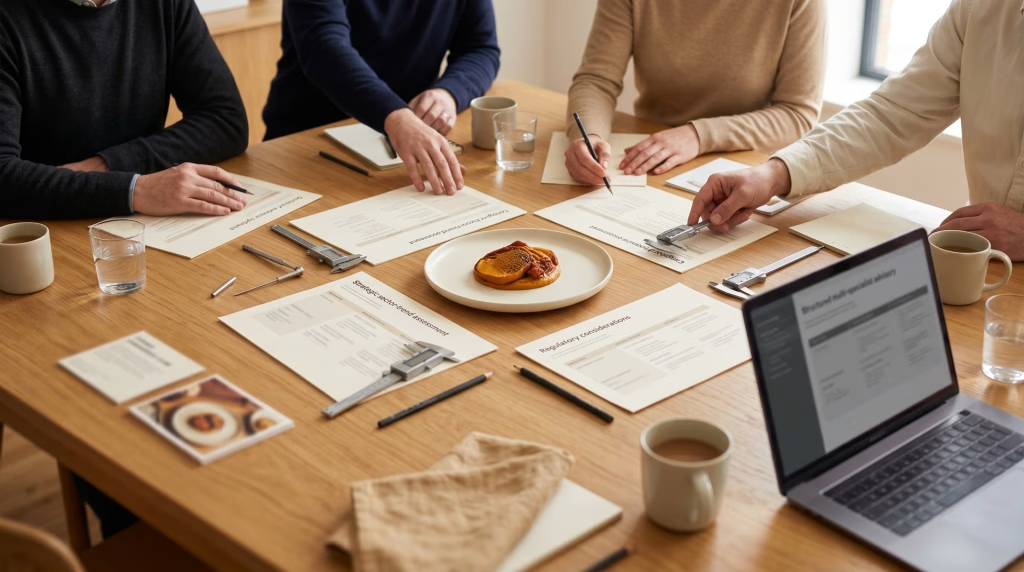
Food and drink is all we do
We are not a generalist consultancy that takes the occasional food brief. Food and drink is the only sector we work in. Our senior facilitators run the cross-expert dynamics, our buyer relationships span the categories the buyers actually work in, our chef network covers the tiers from Michelin through to QSR, and our industry expert network covers the specialisms that matter in food and drink specifically. Generic advisory providers can hire experts; sector specialists are what make the structured advisory output commercially credible to food and drink leadership.
That focus is why we work with 11 of the UK’s top 40 food and drink brands.
Other ways to create and refine ideas
Expert Panels are one tool in the broader Create and Refine Ideas toolkit. Depending on the brief, one of these might be a better fit, or a stronger partner alongside the panel work.
-

Co-creation
Structured, collaborative ideation that brings buyers, consumers & industry experts into the room.
-
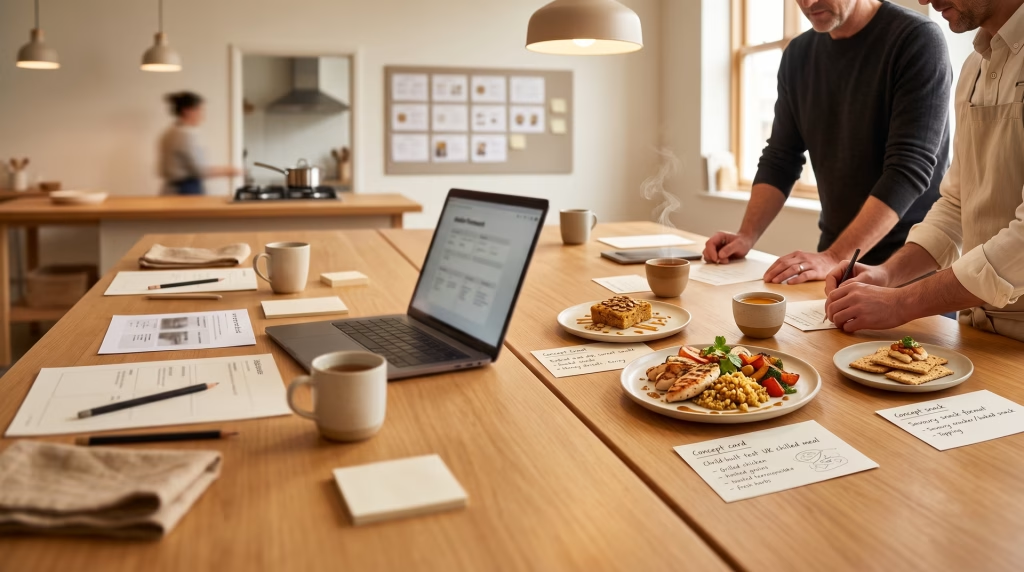
Creative Workshops
Expert-facilitated ideation workshop to unlock innovation.
-
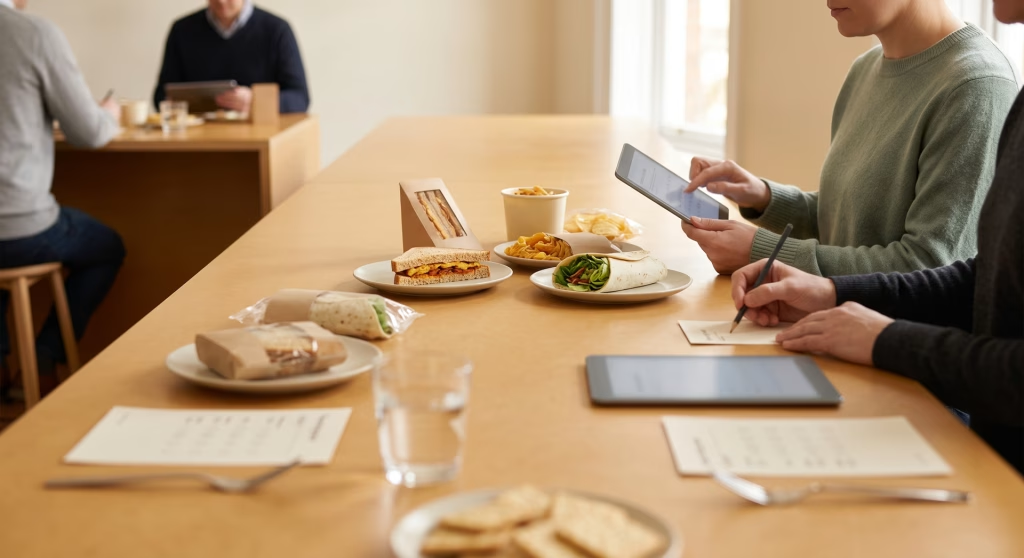
Concept Testing
Bespoke quantitative concept testing for food and drink innovation, designed to prioritise which concepts go forward into NPD investment, brand development or commercial commitment – and to sharpen how they are positioned and communicated.

View our case studies
-
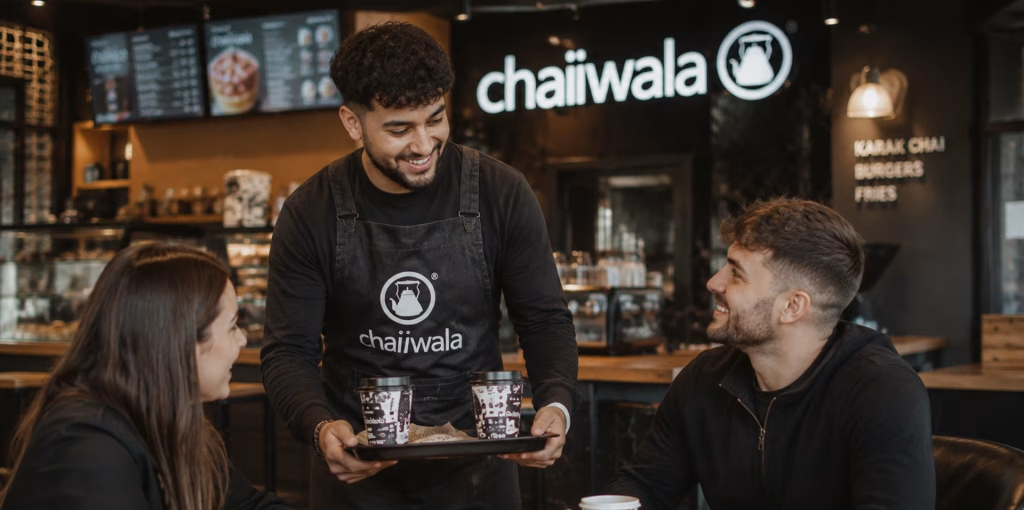
Chaiiwala
Chaiiwala needed to professionalise their product development process and rebuild their menu architecture to support a scaling QSR estate. FIS Group delivered a full operational audit, menu architecture rebuild, repositioned core items and a year-long LTO programme, through to launch day training with the senior operations team.
-

Onken
Onken needed a structured one-to-five-year innovation pipeline for the UK yoghurt category. FIS Group combined trend analysis, consumer qualitative research and a facilitated ideation workshop to generate ten big platforms, refined into a prioritised pipeline across four brand opportunities.
-
Domino's
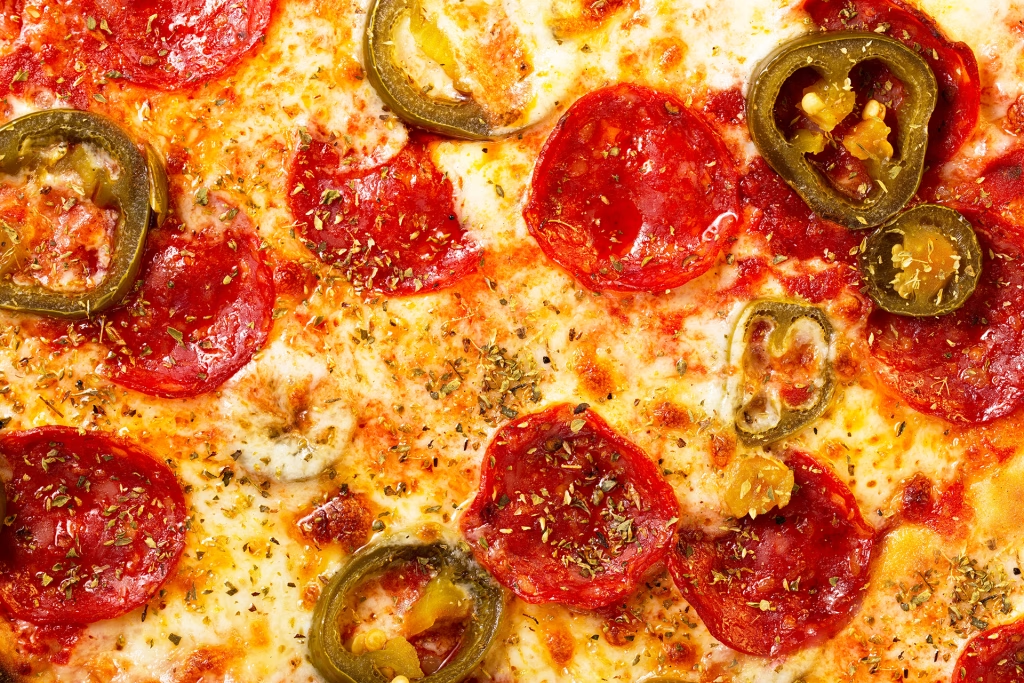
Domino's needed a long-term research partner to support continuous product validation, supplier benchmarking and innovation pipeline development. FIS Group has delivered years of rigorous consumer testing and strategic insight, acting as an extension of the Domino's team across every stage of menu development.
FAQs
The role of the expert. Co-creation brings experts (or buyers, or consumers) in as active creative collaborators: they participate in ideation alongside the internal team, contributing to the creation of new work. Expert Panels brings experts in as advisory voices on existing work or specific strategic questions: they review, evaluate, advise on the team’s direction rather than co-creating new direction with the team. Co-creation is the right tool when the brief depends on stakeholders as creators; Expert Panels is the right tool when the brief depends on structured expert advisory input. Many programmes use both for different streams of the same work.
Structure and methodology. Ad-hoc expert consultancy engages one expert at a time on narrower questions, with the integration and synthesis left to the client team. Expert Panels run a structured methodology: defined questions, comparable inputs across multiple experts, integrated synthesis, decision-grade output. The structure is what makes the evidence defensible in front of board, NPD committee or investment audiences rather than anecdotal. Ad-hoc consultancy works for narrower questions where one expert’s view is sufficient; Expert Panels work for substantive decisions where multiple comparable expert voices need to be integrated.
Through our established networks specific to food and drink. Buyers through our existing relationships with retail and foodservice trade. Chefs through our network covering tiers from Michelin through to QSR, with the chef profile scoped to the relevant tier for the brief. Industry experts through our network covering food scientists, category specialists, regulatory experts, innovation consultants and trend forecasters. Profiles are signed off by the client before sessions are confirmed, with the rationale for each expert documented in case the deliverable audience asks.
Typically four to eight experts per panel depending on the brief and the panel structure. Smaller panels (four experts) work well for focused questions where depth of input matters more than breadth. Larger panels (six to eight experts) work well for substantive questions where multiple comparable voices are needed across the panel. We recommend the right size at scoping based on the brief and the deliverable audience.
Sometimes, but not usually. Mixing expert types in a single panel session is structurally difficult: each expert type has a different relationship to the brief, a different language for the work, and a different productive dynamic with the internal team. Most Expert Panel programmes run different expert modes in separate sessions and integrate the perspectives across the synthesis phase. Where a brief genuinely needs mixed-expert dynamics live in one session (typically trend forecasting briefs where multiple lenses need to interact), we can design for it carefully, but we will be honest at scoping about whether the brief is actually better served by separate sessions with cross-mode integration.
A structured advisory deliverable scoped for the decision audience. Typical outputs: comparable expert input on the brief questions, integrated synthesis across the panel, defensible rationale for the recommendations, transparent flagging of where experts agreed and where they diverged, recommendations for the next phase of work. Format agreed at the start so the work lands in the meeting it needs to land in (board paper, NPD committee briefing, internal strategy document, investment case).
Six to ten weeks from scoping call to final advisory deliverable for single-mode panels. Multi-mode panel programmes (combinations of buyer, chef and industry expert panels) typically run ten to sixteen weeks depending on the depth and the integration work. Compressed timelines are possible where expert recruitment is from our existing networks rather than new recruitment. Continuous Expert Panel programmes run across the broader programme rhythm (typically quarterly or biannual panel sessions over twelve or twenty-four months).
Yes, in markets where we have established expert networks. Buyer panels across the UK and Europe run through our existing trade relationships. Chef panels across the UK, mainland Europe and selectively in the US, with local culinary expert recruitment for specific brief contexts. Industry expert panels mostly UK and European-based given the relevant expert networks, with selective US engagement for specific category specialisms. We will scope international capability honestly at the scoping call based on the specific brief.
Yes, and this is the most common commissioning structure. Expert Panels sit naturally inside broader innovation programmes: strategic work first (Opportunity Mapping, Platform and Territory Building, Future Food Pipeline Builder), Expert Panel advisory input alongside or after the strategic foundation, with Concept Labs, Concept Screening or Co-creation following for the consumer-side work. We will scope the right combination at the scoping call.
Project-based, scoped against the expert mode, the number of panels, the recruitment depth required, the senior facilitator commitment, and the post-panel synthesis work. Single-mode single-panel work is the lowest entry point; multi-mode multi-panel programmes are the highest. Continuous Expert Panel programmes are priced as ongoing engagements with the rhythm and depth agreed at the start. We give a clear, all-in quote at proposal stage with no hidden extras.
Got a substantive decision that needs decision-grade expert evidence?
Tell us the advisory question, the strategic context, the expert mode the work needs (buyer, chef, industry expert, or a combination), the decision audience for the deliverable and the timeline. We will tell you whether Expert Panels are the right tool, what panel composition and structure makes sense, what recruitment depth the brief requires and what it will cost. Where Co-creation, consumer research or ad-hoc expert consultancy would be better, we will recommend the right alternative honestly.