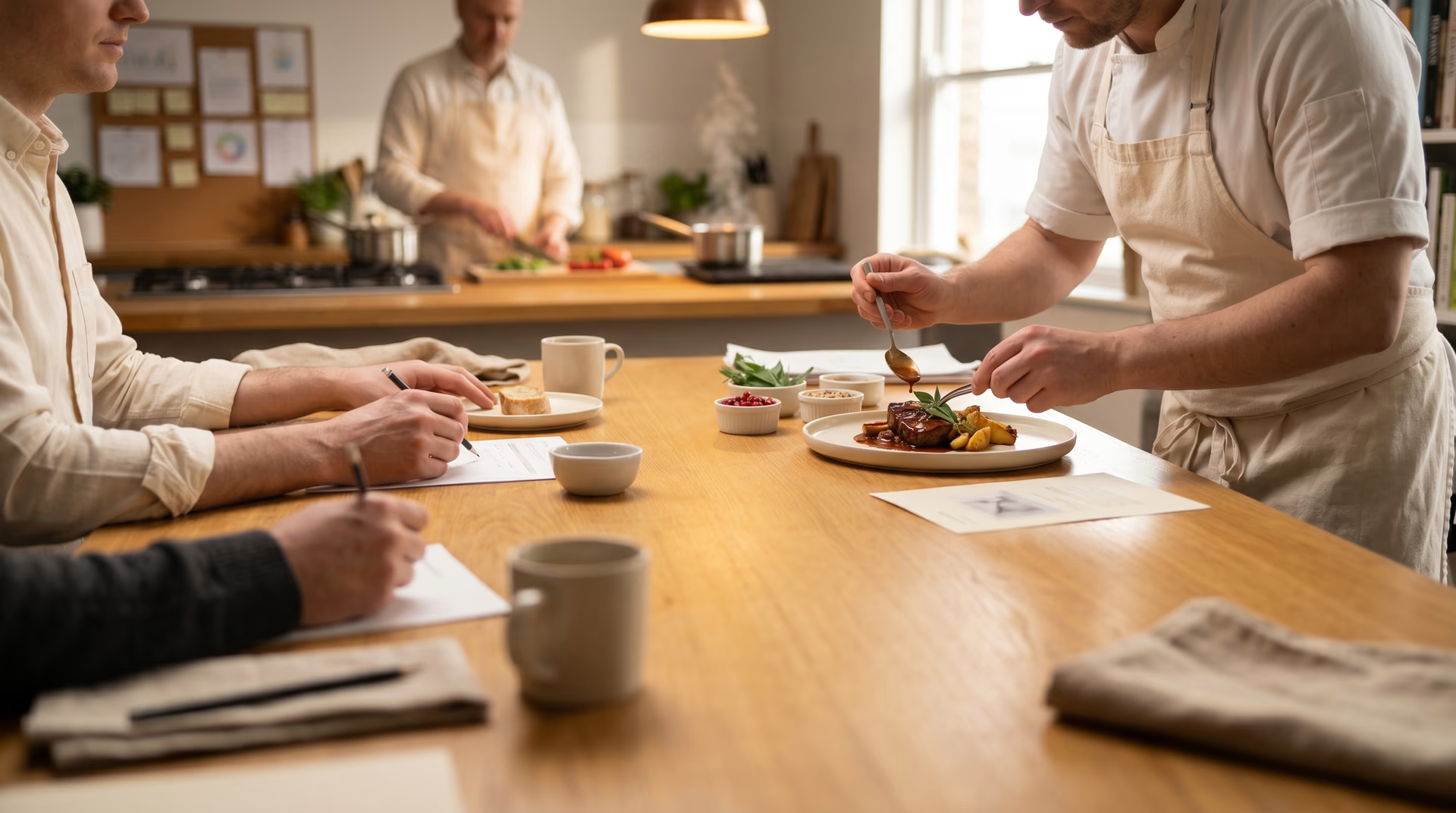
Some briefs cannot be answered well by internal team ideation alone. The team is sophisticated and the work is structured, but the gap between what is being created in the room and what the external stakeholders will eventually receive (buyers listing products, consumers buying them, experts validating them) is too large to bridge in synthesis or testing afterwards. The work needs the external perspective in the room as part of the ideation itself, not just as input or validation in a separate phase.
The structural problem is that most external stakeholder engagement happens in sequence rather than in collaboration. Consumers are researched. Buyers are pitched. Experts are consulted. Each conversation happens at a different stage, in a different context, with a different methodology. The integration depends on the internal team to do, often imperfectly, in a synthesis phase that loses the lived perspective the stakeholders actually offered.
Co-creation is the structured collaborative methodology for briefs where the external perspective has to be part of the ideation itself. The work brings buyers, consumers or industry experts (or a combination) into structured sessions alongside the internal team, with the methodology designed to make cross-stakeholder collaboration productive rather than performative. Senior food and drink facilitators run the cross-stakeholder dynamics, the discussion design and the synthesis throughout. The output is ideation grounded in the perspectives internal-only work cannot replicate.
It is not the right tool for every brief. If the brief is internal team ideation, Creative Workshops or Hothouse are more efficient. If the brief is research with consumers (rather than collaborative ideation), structured research methods like Focus Groups, Consumer Closeness or Concept Screening deliver the input without the co-creation overhead. If the brief is expert advisory input rather than expert participation in creative work, Expert Panels is the right tool. Co-creation sits specifically when the brief is collaborative ideation with external stakeholders as active participants in the creative work.
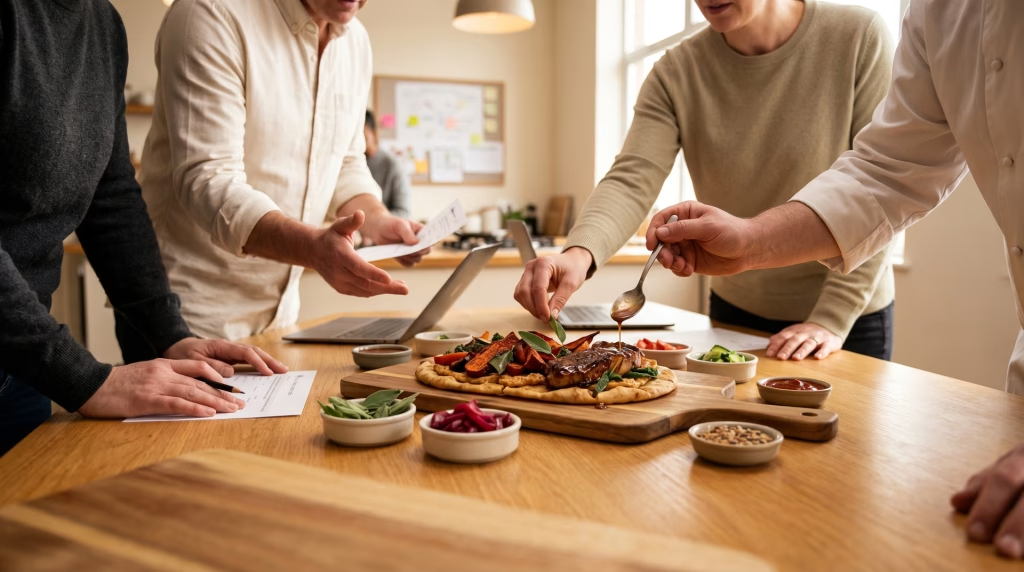
Three Modes. Built Around the Perspective Your Brief Requires.
Co-creation is configured around the external perspective most critical to the challenge, ensuring the right voices are embedded directly into the ideation process. The three modes below represent the most common setups: buyer, consumer and expert co-creation. Each can be used independently or combined within a wider programme, depending on the complexity of the brief and the type of insight required. The appropriate configuration is defined during scoping rather than defaulted.
Buyer co-creation
Retail buyers, foodservice operators and category managers are brought into the ideation process alongside the internal team to reflect real trade dynamics. Best suited to briefs where success depends on retailer acceptance, menu fit, shelf performance or commercial viability at the point of purchase. This mode grounds innovation in buyer reality, surfacing what will be listed, what will sell and where the trade is open or resistant. Outputs typically include range-ready concepts, commercially framed propositions and innovation shaped by retailer and operator language.
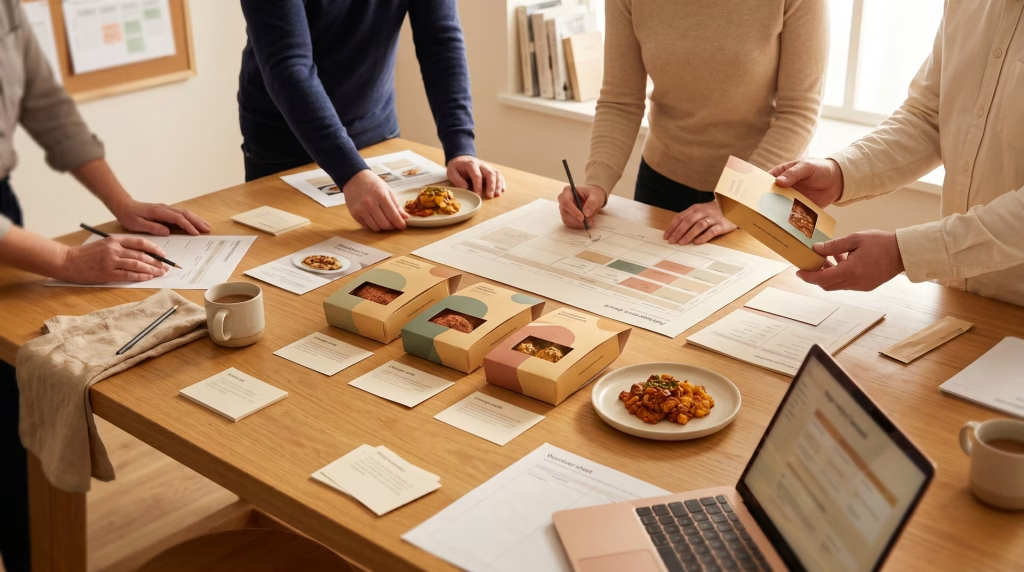
Consumer co-creation
Target consumers are recruited into structured ideation sessions designed around specific audiences, occasions, behaviours or category contexts. Rather than using consumers purely for validation, this mode integrates lived experience directly into the creative process, making it a live input into idea development. It is most effective when the brief depends on understanding real usage moments, emotional drivers and behavioural context. Outputs are grounded in authentic consumer language, meaningful eating occasions and propositions that resonate at the point of consumption.
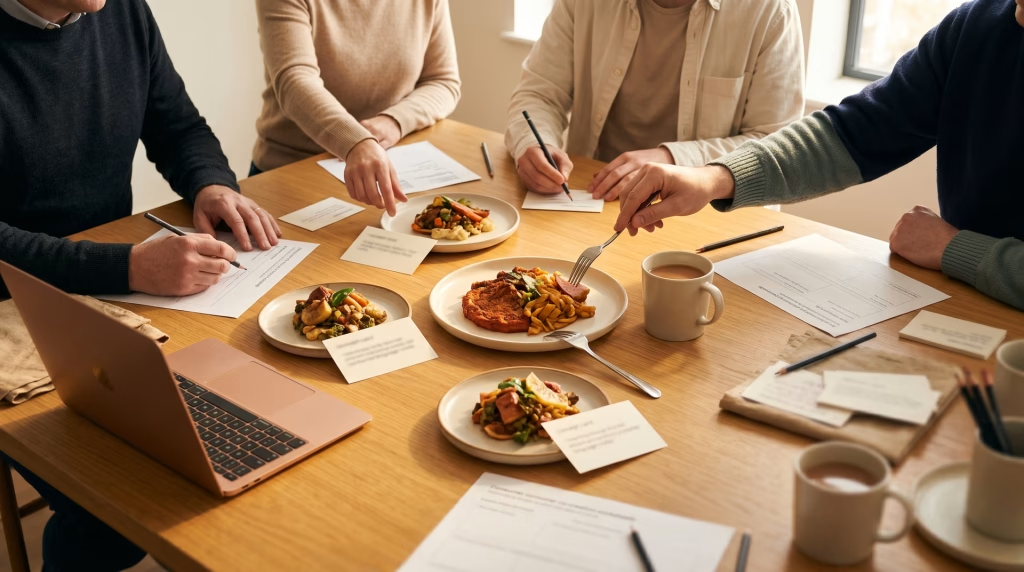
Expert co-creation
Chefs, food scientists, category specialists and innovation practitioners are embedded into the ideation process to bring technical, culinary and category depth. Ideal for briefs where success depends on specialist knowledge that extends beyond the internal team’s capability. This mode turns expert input into active co-creation rather than post-hoc consultancy, shaping ideas as they develop. Outputs include technically robust NPD direction, category-led innovation concepts and creatively elevated propositions grounded in sector expertise. Distinct from Expert Panels, which provide advisory input rather than live collaborative ideation.
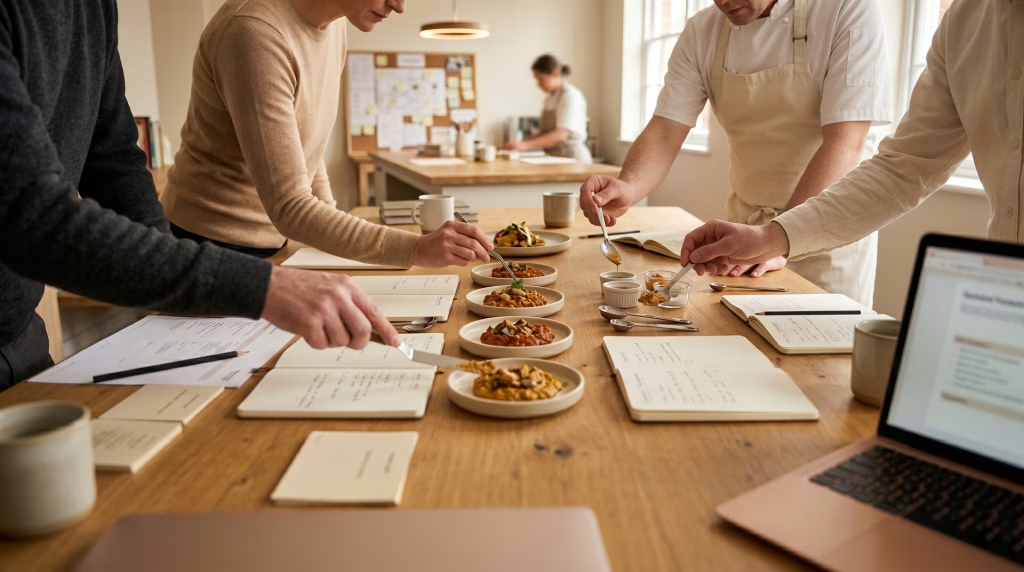
Food and drink is all we do
We are not a generalist co-creation agency that takes the occasional food brief. Food and drink is the only sector we work in. Our senior facilitators run the cross-stakeholder dynamics, our trade buyer relationships span the categories the buyers actually work in, our consumer panels are structured for food and drink work, and our expert network covers the chefs, food scientists and category specialists who matter in this sector. Generic co-creation providers can bring stakeholders into a room; sector specialists are what make the cross-stakeholder output commercially credible to food and drink leadership.
That focus is why we work with 11 of the UK’s top 40 food and drink brands.
Other ways to create and refine ideas
Co-creation is one tool in the broader Create and Refine Ideas toolkit. Depending on the brief, one of these might be a better fit, or a stronger partner alongside the co-creation work.
-
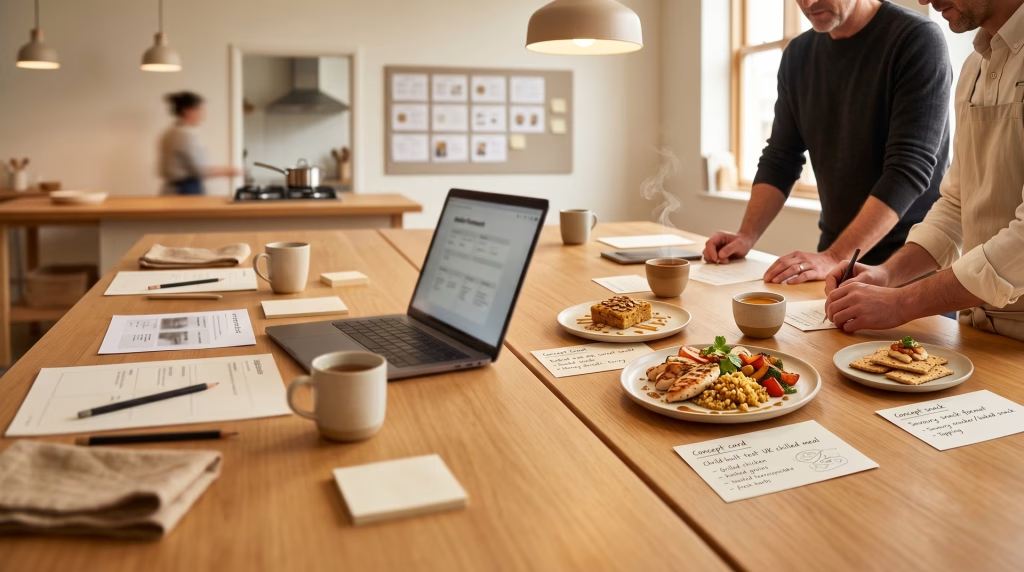
Creative Workshops
Expert-facilitated ideation workshop to unlock innovation.
-
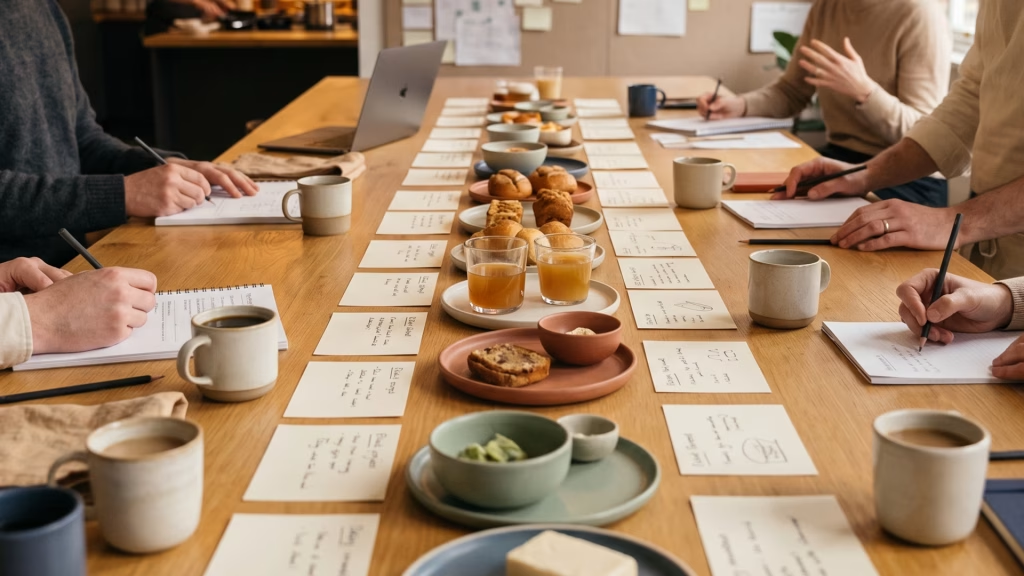
Hothouse
For when you need an urgent burst of creativity, clarity & objectivity. Let our experts take the brief off your hands, build the right stim & develop finished concepts.
-
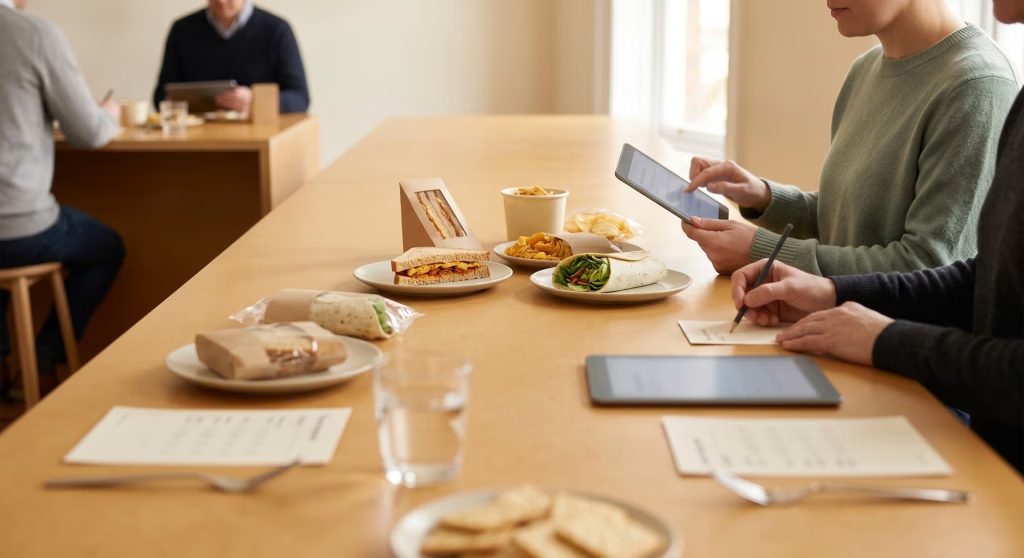
Concept Testing
Bespoke quantitative concept testing for food and drink innovation, designed to prioritise which concepts go forward into NPD investment, brand development or commercial commitment – and to sharpen how they are positioned and communicated.
-
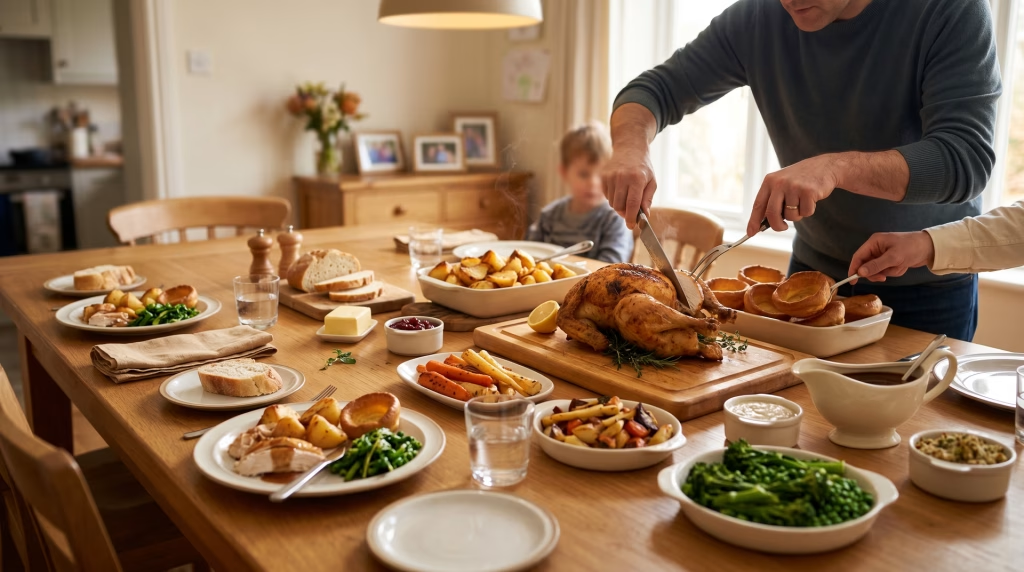
Platform & Territory Building
Deep platform development that picks up where opportunity mapping ends and where execution begins.

View our case studies
-
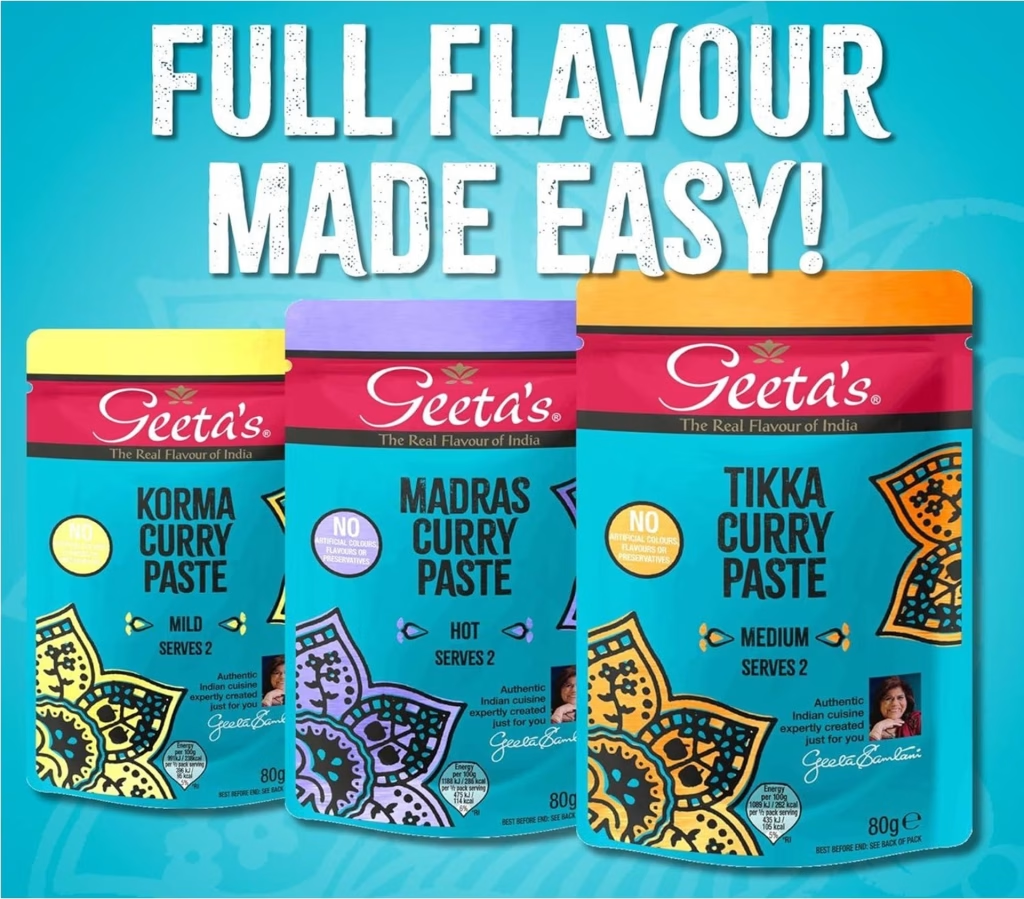
Geeta's
Geeta's commissioned FIS Group to expand their portfolio into curry pastes and chutneys, building on a successful earlier partnership. We developed three new paste flavours in pouch format and a range of savoury chutney recipes, each rooted in authentic Indian flavour but designed for UK consumers and existing manufacturing capabilities.
-
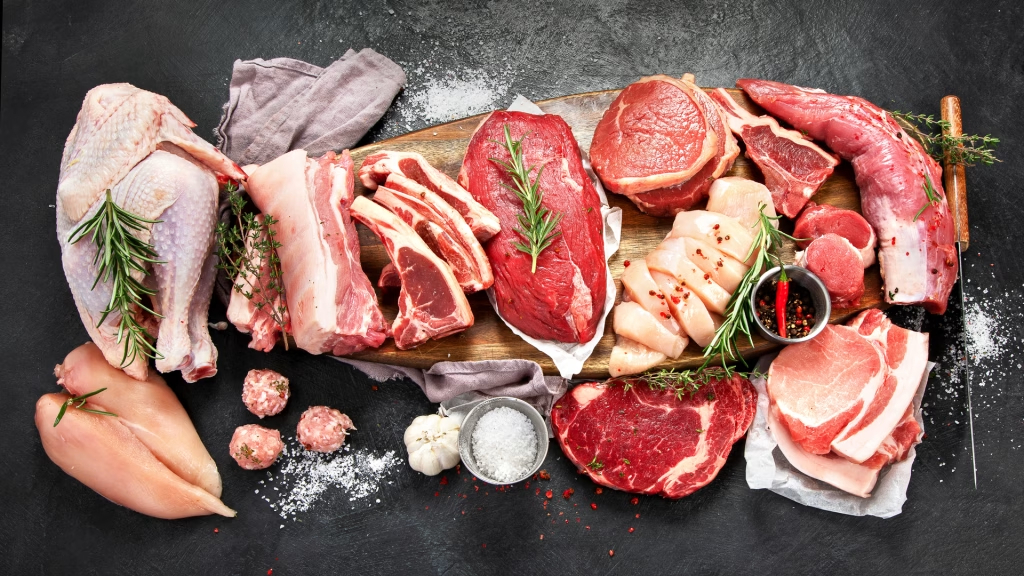
Pilgrim's Europe
Pilgrim's Europe needed a future-ready portfolio strategy balancing core business strength with breakthrough innovation. FIS Group delivered a bespoke Future Food process combining trend mapping, consumer insight, cross-functional ideation and rigorous validation, producing a fully evidenced long-term innovation roadmap.
-
YO!
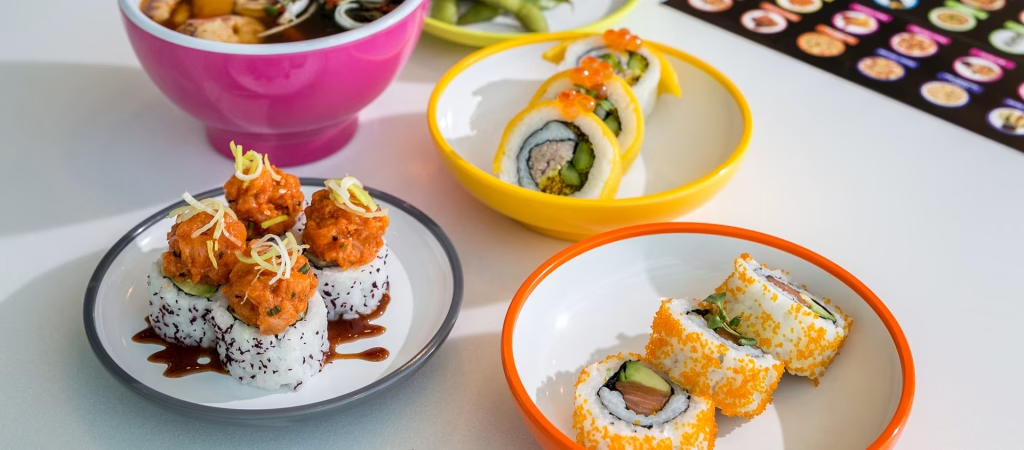
YO! needed to understand customers across three channels while balancing growth with brand loyalty. FIS Group combined quantitative survey work with agile listening groups to shape twelve months of marketing decisions.
FAQs
Stakeholder participation. Creative Workshops and Hothouse are internal-team ideation: the work happens with the client team and senior FIS facilitators in the room. Co-creation brings external stakeholders (buyers, consumers or industry experts) into the ideation alongside the internal team, with the methodology built to make cross-stakeholder collaboration productive. The two approaches solve different problems: internal work when the brief depends on internal expertise; co-creation when the brief depends on perspectives the internal team cannot replicate. Many programmes use both.
The role of the expert. Expert Panels deliver expert advisory input as research: experts review work, share perspective, provide structured input that the internal team then synthesises. Expert co-creation brings experts into the creative work as active collaborators: they participate in the ideation alongside the internal team, with the methodology designed to make their expertise contribute live rather than appear afterwards. Different briefs need different expert engagements. Where the brief is about expert input on existing work, Expert Panels are the right tool. Where the brief is about expert participation in new creative work, expert co-creation is structurally different.
The intent and the methodology. Research methods (Focus Groups, Consumer Closeness, Concept Screening for consumers; structured interviews for buyers; advisory engagements for experts) are designed to gather input from stakeholders for the team to interpret afterwards. Co-creation is designed to make the stakeholders active participants in creative work happening live. Research methods are more efficient when the brief is information-gathering; co-creation is the right tool when the perspective has to be in the room as part of the ideation rather than synthesised separately.
Through our established networks specific to food and drink. Trade buyers through our existing relationships across grocery, foodservice and convenience. Consumers through our recruited panels structured for food and drink work, with the profile criteria scoped against the brief (audience, occasion, behaviour, category usage). Industry experts through our network of chefs, food scientists, category specialists and innovation consultants. Quality checks throughout, with profiles signed off by the client before the sessions are confirmed.
Yes, when the cross-stakeholder dynamics are handled properly. The technical difficulty of co-creation is making cross-stakeholder collaboration productive rather than performative, and the senior facilitation is what manages this in real time: keeping the work commercially productive, surfacing quiet perspectives, preventing dominant voices from skewing the output. Generic facilitators struggle with cross-stakeholder dynamics; senior food and drink specialists handle them deliberately because they have seen the failure modes (internal teams deferring to buyers, consumers giving socially desirable answers, experts dominating the room) and design around them.
Sometimes, but not usually. Mixing stakeholder types in a single session is structurally difficult: each stakeholder type has a different relationship to the brief, a different language for the work, and a different productive dynamic with the internal team. Most co-creation programmes run different stakeholder modes in separate sessions and integrate the perspectives across the synthesis phase. Where a brief genuinely needs cross-stakeholder dynamics live in one session, we can design for it carefully, but we will be honest at scoping about whether the brief is actually better served by separate sessions with cross-session integration.
Depends on the brief and the stakeholder mode. Typical outputs: briefable concepts grounded in stakeholder perspective, validated propositions, trade-informed ranges, expert-grounded NPD direction, integrated multi-stakeholder briefs for follow-on work. Plus the working materials from the sessions, the cross-stakeholder synthesis, and recommendations for the next phase of work. Format agreed at the start so the work lands in the meeting it needs to land in.
Six to twelve weeks from scoping call to final deliverable for single-stakeholder briefs. Multi-stakeholder programmes (combinations of buyer, consumer and expert co-creation across multiple sessions) typically run twelve to twenty weeks depending on the depth and the integration work required. Compressed timelines are possible where stakeholder recruitment is from our existing networks rather than new recruitment.
Yes, in markets where we have established stakeholder networks. Buyer co-creation across the UK and Europe runs through our existing trade relationships. Consumer co-creation runs across the UK, mainland Europe, the US and the UAE with local recruit. Expert co-creation in food and drink is mostly UK and European-based given the relevant expert networks, with selective US and UAE engagement for specific category specialisms. We will scope international capability honestly at the scoping call based on the specific brief.
Project-based, scoped against the stakeholder mode, the number of sessions, the recruitment depth required, the senior facilitator commitment, and the post-session synthesis work. Single-mode single-session co-creation is the lowest entry point; multi-mode multi-session programmes are the highest. We give a clear, all-in quote at proposal stage with no hidden extras.
Got a brief where the external perspective has to be in the room?
Tell us the brief, the strategic context, the stakeholder mode the work needs (buyer, consumer, expert, or a combination), the output target and the timeline. We will tell you whether co-creation is the right tool, what stakeholder mix and session structure makes sense, what recruitment depth the brief requires and what it will cost. Where the brief would be better served by internal ideation or by research methods, we will recommend the right alternative honestly.